Professional Locksmith: When to Call the Experts for Your Security Needs
A qualified locksmith plays an essential role in ensuring protection. Many individuals overlook the warning signals that signal a need for specialist support. Issues like a broken lock or the consequences of a break-in can undermine safety. Recognizing when to get expert support is crucial. As criminal tactics develop, so do the protective measures. What factors should be evaluated before making that call?
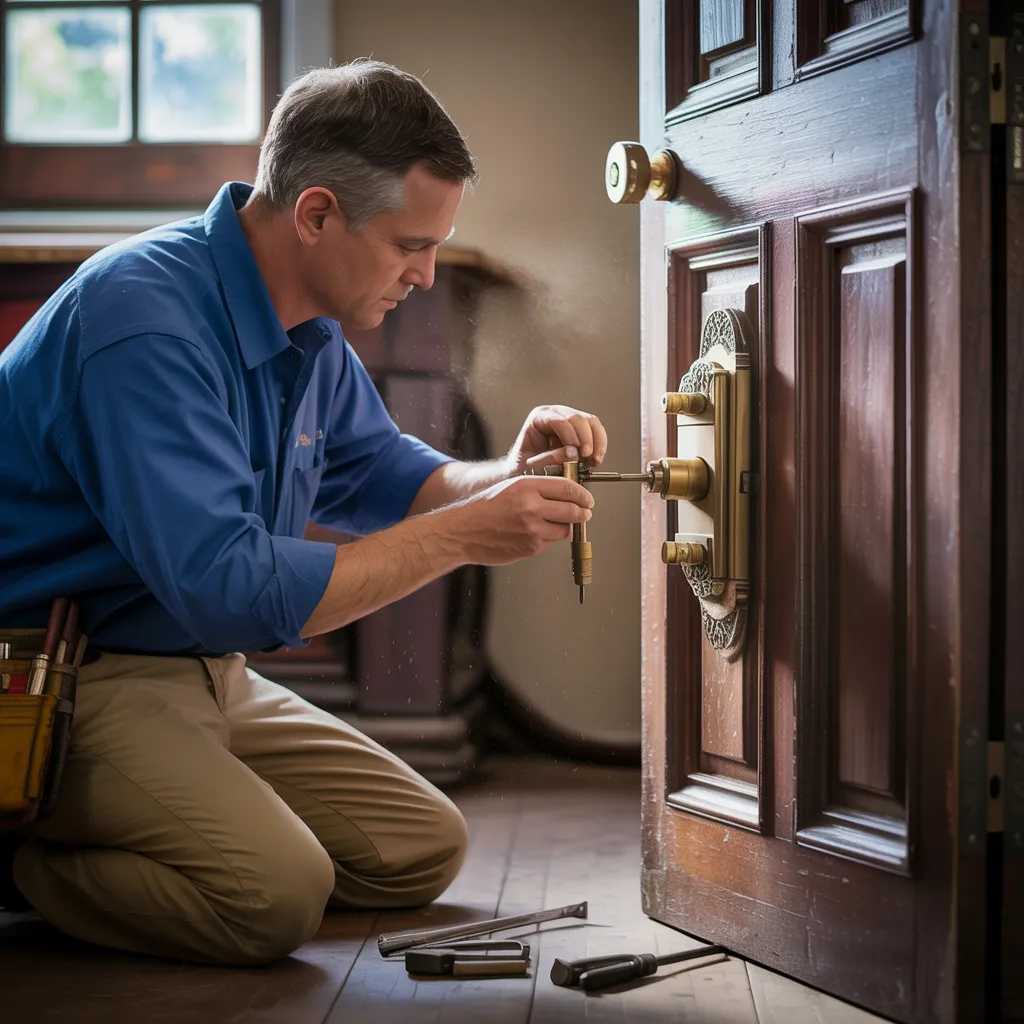
Understanding the Warning Signs: When You Require a Locksmith
At what point should someone think about contacting a locksmith? Someone might need to reach out to a locksmith when they experience problems with their locks or security systems. Signs such as a key that breaks off in the lock or a lock that becomes difficult to turn are clear indicators of potential problems. Moreover, when a person is repeatedly faced with lockout situations, it may be time to seek the services of a professional locksmith.
Moreover, after moving into a new home, it is wise to consult a locksmith to swap out the locks for protection. Security upgrades, such as installing high-tech locks or alarm systems, also necessitate the advice of an expert. Lastly, if a homeowner identifies signs of forced entry or security breaches, immediate action should be taken by enlisting a locksmith to examine and upgrade protective systems. Acknowledging these warning signs allows individuals to copyright their safety and sense of security.
The Importance of Calling a Locksmith When Locked Out?
Being caught in a lockout situation can be both frustrating and overwhelming. At times like these, reaching out to a professional locksmith is absolutely essential. A professional locksmith carries the specialized equipment and knowledge needed to resolve lockouts quickly and safely, limiting the potential for harm to your property. Trying to regain access without the assistance of a professional can result in damaged locks or doors, leading to expensive repairs.
Furthermore, locksmiths are qualified to handle various types of locks and security systems, delivering a swift resolution customized for the specific situation. Their expertise of security protocols also strengthens the safety of the property after re-entry. Moreover, professional locksmiths can provide helpful advice on enhancing security measures, preventing future lockouts. Ultimately, relying on a locksmith is not just about gaining access; it is an vital step in preserving both the integrity of the property and the reassurance of the individual facing a lockout.
What Can You Do When You're Locked Out?
Being locked out is often a distressing ordeal that calls for quick thinking. Your initial priority should be to keep a clear head and take stock of the circumstances. Looking for any unlocked windows or secondary access points can occasionally offer a quick resolution. Should no alternatives present themselves, it is recommended that you get in touch with a dependable family member or close friend who may hold onto an extra copy of your key.
Should these measures prove unsuccessful, professional help becomes necessary. Calling a locksmith is often the most effective way to regain access quickly and safely. People should refrain from trying to force their way in, as this can cause damage and lead to costly repairs.
Prior to the locksmith's arrival, collecting the required details, such as identification and proof of residence, can speed up the process. Ultimately, getting locked out acts as a reminder of the value of establishing a backup strategy for getting into secured locations.
Why It's Smart to Upgrade Your Locks
Once a lockout situation has been resolved, numerous people become aware of the significance of home security. Investing in lock upgrades acts as a forward-thinking approach to enhance safety. Outdated locking mechanisms frequently lack the necessary safeguards against modern burglary techniques, making it essential to invest in more secure options.
Premium security locks, for instance, deliver cutting-edge features that discourage unwanted access. Such locks frequently feature pick-resistant components and sturdy materials, guaranteeing a stronger level of protection. Furthermore, advanced smart locks deliver practical convenience and remote monitoring, empowering homeowners to manage their security from virtually anywhere.
Additionally, insurance providers may provide improved rates for homes featuring upgraded security systems, offering financial incentives for homeowners to upgrade their lock systems. At the end of the day, upgrading locks not only enhances physical security but also cultivates peace of mind, ensuring that residents feel safe in their own environment. This thoughtful investment is a vital step toward comprehensive home security.
What to Expect From a Comprehensive Security Assessment
When residents pursue a detailed security guide inspection, they can expect a complete assessment of their residence's security gaps and advantages. Skilled locksmith technicians begin by examining access points such as garages, doors, and windows to pinpoint possible vulnerabilities. They examine the integrity and functionality of current locking mechanisms, noting any outdated or damaged mechanisms that may compromise security.
Furthermore, the inspection encompasses analyzing the nearby environment, accounting for elements such as area crime statistics and visibility. Locksmiths frequently suggest enhancements such as advanced security locks or warning systems designed for the particular demands of the property. They frequently provide recommendations regarding access management systems, monitoring cameras, and outdoor lighting solutions.
The objective of the review is to generate a detailed report summarizing results and recommending effective solutions, ultimately helping homeowners reach informed decisions about their safety protocols. This forward-thinking method provides a well-rounded framework for securing the property against potential threats.

Common DIY Mistakes to Avoid When Dealing With Locks
When addressing lock issues, numerous individuals make common mistakes that can complicate the issue. Overlooking particular lock types, using too much lubrication, and misusing tools can lead to more serious issues. Identifying these mistakes is essential for effective lock maintenance and security.
Disregarding Lock Types
Even though many homeowners choose to address lock concerns independently, neglecting to recognize the specific types of locks can lead to costly mistakes. Locks like deadbolts, smart locks, and mortise locks each possess their own unique mechanisms and installation demands. A limited understanding of locks can cause improper repairs or replacements, ultimately jeopardizing security. As an example, trying to force a key into a misaligned lock can harm both the lock and the key, requiring costly replacements. Additionally, mixing up lock types may lead to ineffective solutions and further complications. In order to steer clear of these mistakes, homeowners should carefully examine their locks and consult a professional locksmith whenever they are uncertain about their individual needs.
Excessive Use of Lubricants
Homeowners often make the mistake of overusing lubricants on their locks, thinking that more is better for smooth operation. This widespread misunderstanding can result in an accumulation of too much lubricant, which attracts dust and dirt, leading to locks that become difficult to operate or completely jammed. Each type of lock demands a specific kind of lubricant; as an example, graphite is frequently the top choice for pin tumbler locks, while other locks are better served by silicone sprays. Overapplication can also create a slippery surface that may hinder the lock's mechanism, making it harder to engage. Far from boosting functionality, over-lubrication can necessitate costly repairs or professional locksmith intervention. Understanding the right amount and type of lubricant is essential for maintaining peak lock performance.
Properly Misusing Tools
Improper tool usage during lock repairs can cause frustrating complications and unnecessary damage. Many DIY enthusiasts underestimate the importance of using the right tool for the job. As an example, using a screwdriver in place of a proper lock pick can strip screws or damage internal components. Additionally, using excessive force can cause locks to jam or become irreparably damaged. Frequent errors involve using pliers to rotate a key or trying to force open a stuck lock without the right technique. Such actions frequently lead to additional problems that require expert assistance. To avoid these pitfalls, individuals should familiarize themselves with lock mechanisms and the specific tools designed for lock repairs. If uncertain, seeking advice from a qualified locksmith can save time and avoid expensive errors.
Top Questions Asked
How Do I Choose a Reputable Locksmith Service?
To identify a reputable locksmith service, you should check online reviews, validate credentials, check for insurance, and seek recommendations. Comparing multiple options enables informed decisions, culminating in consistent and reliable service.
What Certifications Should a Professional Locksmith Have?
A trustworthy locksmith needs to carry designations such as Certified Locksmith (CL), the Registered Locksmith (RL) designation, and Master Locksmith (ML) from reputable industry bodies. These credentials indicate professionalism, expertise, and adherence to industry standards, guaranteeing dependable service to customers.
Are Locksmith Services Offered 24 Hours a Day?
Locksmith assistance is commonly accessible 24 hours a day, delivering critical support in emergency situations including lockouts and security vulnerabilities. Numerous skilled locksmiths emphasize availability, guaranteeing that customers can get assistance at any time, no matter the hour.
What Is the Typical Cost of Locksmith Services?
The cost of locksmith services usually ranges from between $50 and $150 for common services, such as rekeying or lockouts. Nevertheless, emergency services and specialized work may incur higher fees, often surpassing the $200 mark depending on the complexity involved.
Is a Locksmith Able to Assist With Electronic Security Systems?
Certainly, a locksmith is equipped to assist with electronic security systems. They have the skills to set up, repair, and maintain numerous electronic locking mechanisms, ensuring superior performance and security for residential and commercial properties alike.